
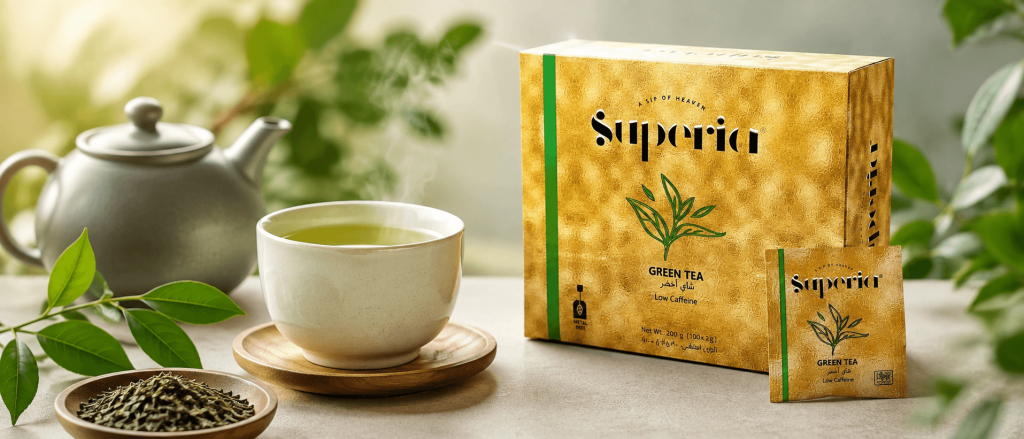
Green tea is one of the most widely consumed types of tea around the world, known for its light flavour and natural plant compounds. Its potential benefits have attracted researchers’ attention for years, particularly because it contains polyphenols, antioxidants, and caffeine.
Although green tea has been associated with several potential health benefits, it is important to view it as part of a balanced diet and healthy lifestyle, rather than as a treatment for disease or a substitute for medication.
What Is Green Tea?
Green tea is made from the leaves of the Camellia sinensis plant, the same plant used to produce black tea and oolong tea. The main difference lies in how the leaves are processed, as green tea does not undergo the full oxidation process used in the production of black tea.
This helps preserve a significant proportion of plant compounds known as polyphenols, particularly catechins. Among them, EGCG has received considerable attention in studies related to green tea.
Health Benefits of Green Tea
Rich in Antioxidant Compounds
One of the key benefits of green tea is that it provides a range of polyphenols and catechins with antioxidant properties. These compounds help the body manage free radicals and oxidative stress, making them some of the most important plant compounds found in tea.
May Support Heart Health
Research suggests that drinking green tea may be associated with improvements in certain cardiovascular health markers. Some studies have also shown a modest effect on reducing total cholesterol and LDL levels. However, this does not mean that green tea can treat high cholesterol or heart disease.
Supports Focus and Alertness
Green tea naturally contains caffeine, a stimulant that can help increase alertness and attention. The amount of caffeine in green tea varies depending on the type of leaves used, the quantity of tea, and the brewing method and duration.
Can Green Tea Help with Weight Loss?
Green tea is often associated with weight loss, but scientific evidence does not support considering it an effective weight-loss method on its own. Catechins and caffeine may have a modest effect on body weight or metabolism in some studies, but the evidence is not strong enough to rely on green tea as a standalone solution for weight loss.
For this reason, the benefits of drinking green tea are best realised when it is included as part of a healthy lifestyle that combines a balanced diet with regular physical activity.
Nutritional Value of Green Tea
Unsweetened green tea is very low in calories, and its main nutritional value lies in its natural plant compounds, including polyphenols and catechins, along with caffeine.
The nutritional profile of green tea and the concentration of its compounds can vary depending on the origin and type of tea leaves, processing methods, water temperature, and brewing time.
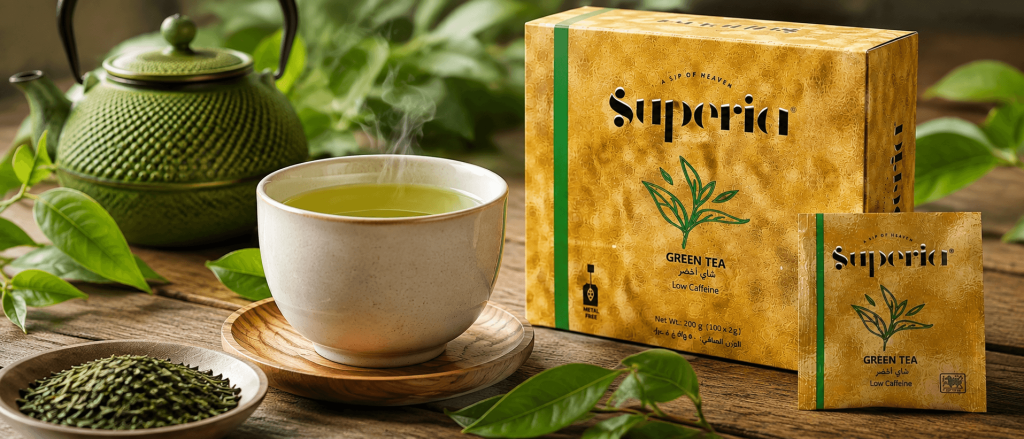
The Best Way to Prepare Green Tea
The way green tea is prepared can affect both its flavour and the concentration of compounds released from the leaves into the water.
For a balanced cup, choose good-quality green tea and heat the water without bringing it to a vigorous boil. Water at around 80°C can be used, then add the tea bag and allow it to steep according to the type of tea, usually for a few minutes.
Avoid over-steeping if you prefer a less bitter taste. You can also add mint or lemon slices for a different flavour, or explore a variety of tea flavours to bring more variety to the serving experience.
What Is the Best Time to Drink Green Tea?
There is no single best time to drink green tea that suits everyone. It can be enjoyed in the morning for a moderate caffeine boost, between meals as a light beverage, or before or after physical activity, depending on personal preference.
People who are more sensitive to caffeine may prefer to avoid drinking green tea close to bedtime if they notice that it affects their sleep quality.
How Many Cups of Green Tea Can You Drink Per Day?
For most healthy adults, a few cups of green tea can be included in the daily diet in moderation. There is no single ideal amount for everyone, as caffeine levels vary between products and preparation methods, and individual sensitivity to caffeine also differs.
The key point is that drinking more green tea does not necessarily mean gaining greater health benefits.
Green Tea Side Effects and Precautions
Green tea as a beverage is generally considered safe for adults when consumed in moderation, but potential side effects are usually associated with caffeine or excessive intake.
Some people may experience insomnia, nervousness, or digestive discomfort, particularly when consuming large amounts or drinking it late in the day.
It is also important to distinguish between a regular cup of green tea and concentrated green tea extracts used in some dietary supplements. Concentrated extracts have been linked to rare cases of liver injury and may also interact with certain medications.
For this reason, it is advisable to consult a doctor or pharmacist if you take regular medication or are pregnant, especially before using green tea extracts or concentrated supplements.
How to Make Green Tea Part of a Healthy Lifestyle
It is best to enjoy green tea without adding large amounts of sugar and to include it as part of a varied, balanced diet rather than relying on it to achieve a specific health goal.
It can also be served as part of luxury hospitality offerings or enjoyed as a light everyday beverage. When choosing the right product, pay attention to the quality of the tea, how it is stored, and how it is prepared to ensure a better overall experience.
Frequently Asked Questions About Green Tea
Is Green Tea Good for You Every Day?
For most healthy adults, green tea can be part of a daily diet when consumed in moderation, especially when enjoyed without large amounts of added sugar.
What Is the Best Time to Drink Green Tea?
This depends on the individual. Green tea can be enjoyed in the morning or throughout the day, while people who are sensitive to caffeine may prefer to avoid it close to bedtime.
Does Green Tea Contain Caffeine?
Yes. Green tea naturally contains caffeine, and the amount varies depending on the type of tea, the preparation method, and the brewing time.
Does Green Tea Help with Weight Loss?
There is no strong evidence that green tea alone leads to significant weight loss. Any effects are likely to be modest, while diet and physical activity remain the main factors in weight management.
Can You Drink Green Tea Before Bed?
Some people can drink green tea before bed without any problems, but the caffeine may affect sleep in others. If you are sensitive to caffeine, it is better to avoid it in the evening.
Can Drinking Too Much Green Tea Be Harmful?
Yes. Excessive consumption can increase caffeine intake and may cause insomnia, nervousness, or digestive discomfort in some people.
Conclusion
The main benefits of green tea come from its natural plant compounds and antioxidants, with research suggesting potential benefits for certain aspects of heart health and alertness. However, other claims, such as significant weight loss or disease prevention, remain scientifically inconclusive. The best way to enjoy green tea is in moderation, without excessive added sugar, and as part of a balanced diet and healthy lifestyle.
If you would like to enjoy a distinctive tea experience that combines quality with refined flavour, you can explore the premium tea selection available at the Superia Store and choose the variety that best suits your taste, making green tea part of both your daily routine and elegant hospitality.